Custom Software Development in the USA: The
Ultimate Guide to Process, Services, and Models
In the dynamic arena of American business, where innovation is the currency of growth, your software should be a strategic asset, not a limitation. Our data shows that many companies find themselves funneling creativity into the rigid boxes of off-the-shelf software—adapting their unique processes to generic tools, wrestling with clunky integrations, and missing opportunities to deliver a truly distinctive customer or employee experience.
This common struggle highlights the critical difference between buying what’s available and building what’s ideal. Custom software development is the proven process of crafting a proprietary digital solution engineered from the ground up to fit your organization like a glove. It’s the bespoke suit in a world of ready-to-wear; it’s the precision tool designed for your specific job when everyone else is making do with a multi-purpose gadget.
For U.S.-based companies, this decision carries additional weight. Partnering with a domestic development firm isn’t just about coding—it’s about secure real-time collaboration, protection under robust intellectual property laws, and a shared understanding of the market’s regulatory and competitive landscape. It transforms development from a distant transaction into a seamless partnership.
This guide serves as your definitive and transparent roadmap. Whether you’re a business leader seeking a competitive edge, an IT manager tasked with solving operational bottlenecks, or a founder envisioning a market-disrupting product, we will demystify the entire journey.
Drawing on 17 years of experience in the custom software building industry, we’ll break down the field-tested process from initial concept to successful launch, explore the core services that bring ideas to life, and explain the engagement models that make a U.S.-based partnership a smart, low-risk strategic choice.
By the end, you’ll have a clear, comprehensive understanding of how high-quality custom software is built and how it reliably becomes the engine of your company’s next chapter.
“The companies that lead in the next decade won’t just use software; they will be defined by their ability to craft it as a core competency. Custom development is the ultimate strategic lever for innovation and operational mastery.” — Alex Johnson, CTO of NexGen Digital Solutions
The Foundation—Understanding Custom Software
Before diving into processes and models, it’s very important to build a solid evidence-based foundation. What exactly is custom software, and why does it command such a strategic position in today’s business? Backed by deep expertise and a portfolio of successful projects in custom software development, we’ll clarify its unique value in driving efficiency, innovation, and growth for modern organizations.
What Is Custom Software Development?
At its core, custom software development is the design, creation, deployment, and maintenance of a software application for a specific set of users, functions, or organizations. Unlike Commercial Off-The-Shelf (COTS) software—like a standard accounting package or a generic CRM—authentic custom software is tailor-made.
It is built to your exact specifications, aligning perfectly with your unique workflows, data structures, business rules, and strategic goals.
Think of it this way:
COTS Software: A prefabricated house. It’s built to a common blueprint, move-in ready, and affordable, but you must adapt your life to its layout and limitations.
Custom Software: An architect-designed home. Every element—from the floor plan to the materials—is chosen to reflect how you live and work. It fits your life perfectly, though it requires more upfront investment and planning.
The output is a proprietary digital asset that you own and control, designed to evolve precisely as your business does.
When to Invest: Key Signals Your Business Needs a Custom Solution
How do you know when the time is right? Look for these clearly validated indicators:
- Your team is constantly “juggling” multiple systems to complete a single process, leading to errors and wasted time.
- You have a proprietary process or business model that gives you an advantage, and no existing software supports it.
- You are facing skyrocketing costs as you add users, features, or integrations to a suite of SaaS products.
- Off-the-shelf solutions require heavy customization just to function at a basic level, making upgrades painful and expensive.
- Data silos are crippling decision-making; you need a unified dashboard pulling from ERP, CRM, and proprietary databases.
- Your industry has stringent compliance requirements that generic software cannot guarantee without significant risk.
- You are planning for significant growth or a pivot and your current software is seen as a limiting factor, not an enabling platform.
If you’re nodding to several of these points, custom software is likely not just an option but a strategic necessity for your next phase of growth.

The Process – How It’s Built in the USA
Once the strategic decision is made, the journey begins. A transparent, structured, and collaborative process is what separates a successful project from a costly misadventure. Here is a breakdown of the standard Software Development Life Cycle (SDLC) as executed by leading U.S. firms.
The Standard U.S. Software Development Life Cycle (SDLC) Demystified
This phased approach ensures clarity, manages risk, and delivers tangible value at each step.
Phase 1: Discovery & Planning
This is the most critical phase. We work with your stakeholders to dive deep into business objectives, user pain points, and technical constraints. Activities include requirements workshops, competitor analysis, and feasibility studies.
The output is a clear Project Roadmap with defined scope, prioritized features (often as a “Product Backlog”), timelines, and budget estimates. This phase aligns all parties and sets the project up for success.
Phase 2: Design & Prototyping
Here, ideas transform into blueprints. Our UI/UX designers create wireframes and interactive prototypes that map the user journey and interface. Simultaneously, technical architects draft the system architecture, selecting the appropriate technology stack and defining data models.
This stage allows you to *experience* the software flow before development begins, saving significant time and cost on changes later.
Phase 3: Development
This is the execution phase where code is written. Following an Agile methodology (see below), developers build the software in iterative cycles called “sprints” (typically 2-3 weeks). At the end of each sprint, a working, testable piece of software is delivered.
This allows for continuous feedback, ensures the project stays on track, and provides you with visibility into progress every step of the way.
Phase 4: Quality Assurance (QA) & Testing
Quality is not an afterthought; it’s integrated throughout. Our dedicated QA engineers conduct rigorous testing, including:
- Functional Testing: Does every feature work as specified?
- User Acceptance Testing (UAT): Does it meet the end-user’s needs?
- Performance & Load Testing: Will it remain stable under peak usage?
- Security Testing: Are vulnerabilities identified and patched?
- Cross-Platform Testing: Does it work across browsers and devices?
Phase 5: Deployment & Launch
We manage the transition from a staging environment to the live production server. This includes final configuration, data migration (if applicable), and thorough go-live checks. A well-planned deployment strategy minimizes downtime and ensures a smooth launch for your users.
Phase 6: Maintenance & Support
The launch is a milestone, not the finish line. We provide ongoing support to ensure system stability, security, and performance. This phase includes monitoring, bug fixing, updates, and planning for future enhancement cycles to ensure your software continues to deliver value as your business evolves.
Choosing the Right Project Methodology
The SDLC is guided by a project methodology, which is the framework for how work is managed. The two primary methodologies we employ are:
Agile (Scrum/Kanban): The Choice for Flexibility & Innovation.
Agile is our preferred approach for most projects, especially where requirements may evolve or the end goal is iterative. Work is done in short sprints, with constant reassessment and adaptation. Benefits include:
- Rapid Delivery of Value: Working features are delivered frequently.
- Embrace of Change: New insights or market shifts can be incorporated easily.
- High Transparency: Regular demos and reviews keep you intimately involved.
Waterfall: The Choice for Predictability & Well-Defined Projects.
Waterfall is a linear, sequential approach where each phase must be completed before the next begins. It is suitable for projects with extremely fixed requirements, such as regulatory compliance software or systems with very clear, unchanging specifications. Its strength is in its structured predictability and comprehensive documentation.
The Power of Cross-Functional Teams:
Regardless of methodology, we structure teams to be cross-functional. This means your project team includes all necessary roles—Project Manager, Business Analyst, Developers, QA Engineers, and a UI/UX Designer—working collaboratively from day one. This structure eliminates departmental silos, accelerates decision-making, and ensures everyone is unified in understanding and pursuing your business goals.
The Services – What You Can Build
With a solid understanding of the why and the process, we now turn to the what. Custom software is not a monolith; it is a spectrum of solutions, each designed to solve specific challenges. Our core service offerings are built to translate your unique vision into a functional, robust, and user-friendly digital product.
Website Development Services
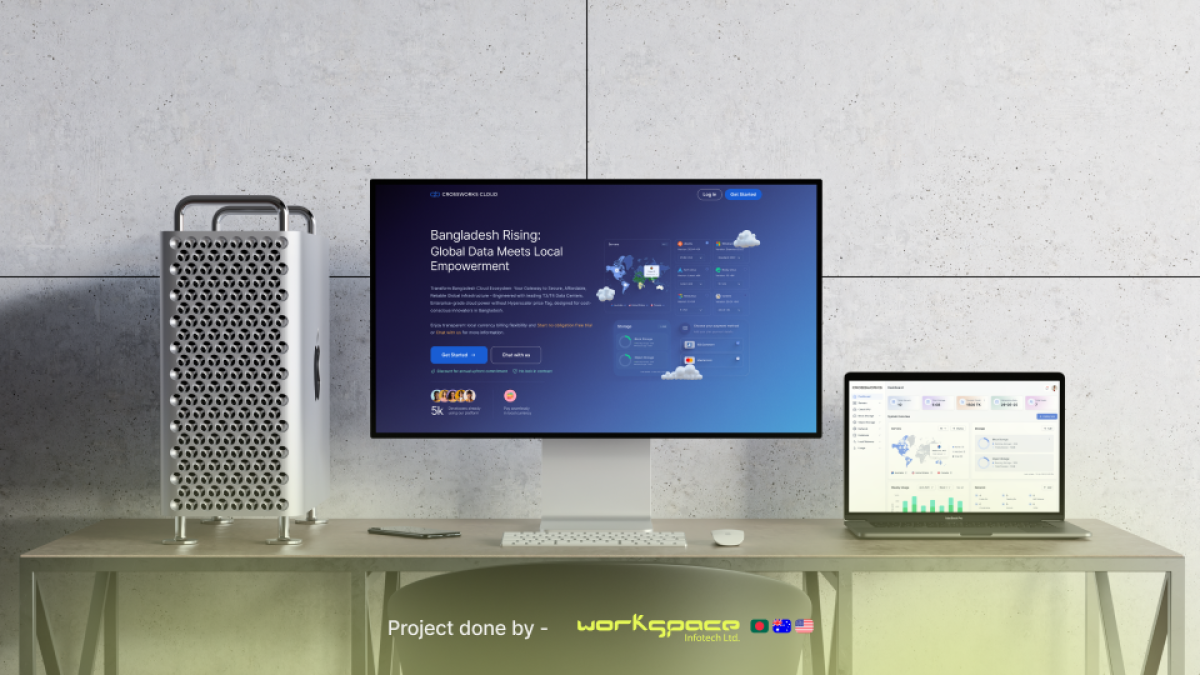
Modern businesses need more than a digital brochure; they need a powerful web application that drives operations, engages users, and generates revenue. Our web development focuses on creating responsive, secure, and scalable solutions.
Custom Web Applications:
We build complex, data-driven platforms that run your business—from customer portals and internal dashboards to full-scale SaaS products. Using modern frameworks like React.js, Angular, or Vue.js for the front end, and robust back-end technologies like Node.js, Python (Django), or .NET, we ensure high performance and a seamless user experience.
E-Commerce Solutions:
Beyond standard platforms, we develop custom marketplaces and online stores with unique workflows, advanced product configurators, and integrations with ERP and logistics systems.
Agriculture solutions:
Custom farm software turns field and livestock data into precise insights. It automates irrigation, guides planting, tracks herd health, and manages resources—all from one dashboard. This tailored approach cuts waste, boosts yields, and builds resilient, sustainable operations by giving farmers control through integrated, data-driven decisions.
Learning Solutions:
Custom education software personalizes learning with tailored content, adaptive assessments, and real-time feedback. It creates unique, engaging pathways for each student, fostering mastery and boosting individual outcomes.
Legacy System Modernization:
We refactor or rebuild outdated web systems, migrating them to secure, cloud-native architectures that are easier to maintain and scale.
Mobile App Development Services
In a mobile-first world, your software must meet users on their devices. We craft native and cross-platform mobile experiences that are intuitive, engaging, and reliable.
Native iOS & Android Development:
For applications requiring peak performance, deep integration with device hardware (camera, GPS, sensors), or a premium user experience, we build using Swift (iOS) and Kotlin (Android).
Cross-Platform Development:
To maximize reach and efficiency, we use frameworks like Flutter or React Native. This allows us to deploy a single codebase to both iOS and Android with near-native performance, ideal for many business and consumer applications.
Progressive Web Apps (PWAs):
We develop PWAs that offer app-like experiences directly from a web browser, providing a cost-effective solution that requires no app store approval and works across all devices.
UI/UX Design Services
A powerful engine is useless without a well-designed interface. Our design process is not about mere aesthetics; it’s about crafting intuitive, efficient, and satisfying user experiences that drive adoption and satisfaction.
User-Centered Design (UCD):
We begin with research—creating user personas, mapping journeys, and understanding pain points—to ensure the design solves real problems.
Wireframing & Prototyping:
We create low-fidelity wireframes to establish structure and flow, followed by high-fidelity, interactive prototypes that allow you to test and validate the experience before development begins.
Design Systems & Brand Alignment:
We build cohesive design systems that ensure visual consistency across every screen and component, strengthening your brand and accelerating future development.
The Critical Role of Software Quality Assurance (SQA)
Quality assurance is the safeguard that transforms code into a trustworthy product. Our dedicated SQA team embeds quality into every phase of the SDLC, employing a multi-layered testing strategy:
Functional & Regression Testing:
Ensuring every feature works as intended and new updates don’t break existing functionality.
Performance & Load Testing:
Simulating thousands of concurrent users to guarantee the application remains stable and fast under stress.
Security Testing:
Proactively identifying vulnerabilities to protect your data and your users’ data from potential threats.
Compatibility & Accessibility Testing:
Ensuring the software works flawlessly across browsers, devices, and operating systems, and is usable for people with disabilities (WCAG compliance).
The Partnership – Engagement & Delivery Models
The final pillar of a successful project is defining how we work together. A clear, aligned engagement model sets the foundation for trust, transparency, and shared success. We offer flexible models to match your project’s scope, budget, and internal capabilities.
How to Structure the Partnership: Engagement Models Explained
Fixed-Price Project:
This model is ideal when you have a well-defined, stable set of requirements and a fixed budget. We agree on a detailed scope, timeline, and cost upfront. It provides predictability and is best for smaller, discrete projects or MVPs (Minimum Viable Products) with clear boundaries.
Time & Materials (T&M):
This agile-friendly model is perfect for projects where requirements are expected to evolve or discovery is part of the process. You pay for the actual time and resources spent. It offers maximum flexibility to pivot, add new features, and prioritize work based on ongoing feedback. Transparency is key, with detailed reporting on time spent and deliverables.
Dedicated Development Team / Staff Augmentation:
This is a strategic, long-term partnership model. We assemble a full, managed team of experts—or integrate individual specialists—who work exclusively on your project as an extension of your own staff. This model provides deep domain knowledge, continuity, and scalability, ideal for ongoing product development, large-scale digital transformation, or when you need to rapidly augment your in-house technical capacity.
The “Dedicated Team” Advantage for U.S. Clients
For many of our U.S.-based clients, the Dedicated Team model offers unparalleled advantages:
Seamless Communication:
Working in overlapping or identical time zones enables real-time collaboration via daily stand-ups, instant messaging, and video calls.
Cultural & Business Alignment:
A shared understanding of business practices, regulatory environments, and market expectations leads to fewer misunderstandings and more efficient workflows.
IP Security and Legal Simplicity:
Operating under U.S. jurisdiction provides strong, familiar intellectual property protection and straightforward contractual governance.
Total Project Control:
You are intimately involved in prioritization and day-to-day direction, maintaining strategic control while leveraging our execution expertise.
Industries We Serve with U.S. Expertise
Our process and service models are applied across sectors, with a deep understanding of industry-specific challenges:
FinTech & Banking:
Secure transaction platforms, regulatory reporting tools, and custom CRM for wealth management.
Healthcare & MedTech:
HIPAA-compliant patient management portals, telehealth applications, and data analytics for clinical research.
Logistics & Supply Chain:
Real-time asset tracking systems, warehouse management software, and route optimization engines.
Manufacturing & IoT:
Industrial automation dashboards, predictive maintenance platforms, and custom ERP integrations.
Retail & E-commerce:
Bespoke omnichannel platforms, subscription service management, and personalized shopping experiences.
From Vision to Strategic Reality
The journey to custom software is a significant investment, but as we’ve outlined, it is one that yields profound strategic returns: unmatched efficiency, unassailable competitive differentiation, and complete control over your digital destiny. It moves technology from a supporting cost center to a core business asset.
The path from a compelling vision to a tangible, high-impact software solution hinges on three pillars: a structured, transparent process that de-risks development; a comprehensive suite of services to build exactly what you need; and a flexible, collaborative partnership model that aligns with your goals.
For U.S. companies, choosing a domestic partner like Workspace Infotech USA LLC consolidates these advantages. It combines the strategic benefits of custom software with the practical benefits of seamless communication, cultural alignment, and robust legal protection. You gain more than a vendor; you gain a true technology partner invested in your long-term success.
Ready to build your advantage? The first step is a conversation.
