- Safayet
- 0 Comments
- 956 Views
Introduction: Why Understanding Software Development Costs Matters
If you’ve ever started a software project and thought, “Why is this costing more than expected?” — you’re not alone. Software development costs can feel unpredictable, especially if you’re choosing between pricing models without fully understanding how they work.
In this guide, we’ll break down software development costs, compare fixed price vs time & materials, and help you choose the right approach—without burning your budget.
If you’re exploring full-scale solutions, you might also want to check out Workspace InfoTech USA LLC’s comprehensive custom software development services to understand how pricing aligns with real-world delivery.
What Are Software Development Costs?
At its core, software development cost estimation is the process of predicting how much it will cost to design, build, test, and maintain a software solution.
A proper software development cost breakdown includes:
- Planning & requirement analysis
- UI/UX design
- Development
- Testing & QA
- Deployment & maintenance
Before development even begins, having a clear requirement document is crucial. Here’s a helpful guide on how to write an effective Software Requirements Specification (SRS)—because unclear requirements = unexpected costs.
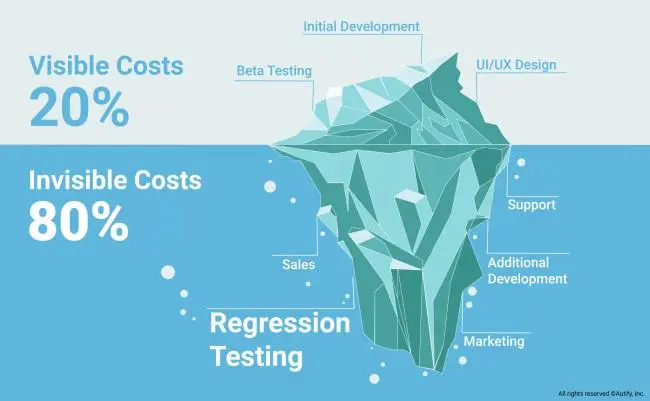
Software Development Cost Breakdown (What You’re Actually Paying For)
1. Discovery & Planning
Defines project scope and prevents costly mistakes later.
2. UI/UX Design
Drives user engagement and conversion.
3. Development
Frontend + backend—the largest part of your custom software development cost.
Modern systems often rely heavily on integrations—if your product needs third-party services, understanding API integration services is essential to avoid hidden costs.
4. Testing & QA
Structured testing ensures stability and reduces long-term costs.
5. Deployment & Maintenance
Ongoing updates, scaling, and bug fixes.
Fixed Price Model Explained
What is Fixed Cost Software Development?
In a fixed price model, the total cost is agreed upfront based on a defined scope.
Pros
- Predictable costs
- Easy budgeting
Cons
- Limited flexibility
- Expensive changes
Time & Materials Model Explained
What is Time & Materials?
You pay based on hours worked and resources used.
Pros
- High flexibility
- Better adaptability
Cons
- Less predictable budget
- Requires involvement
Fixed Price vs Time & Materials (Visual Comparison)
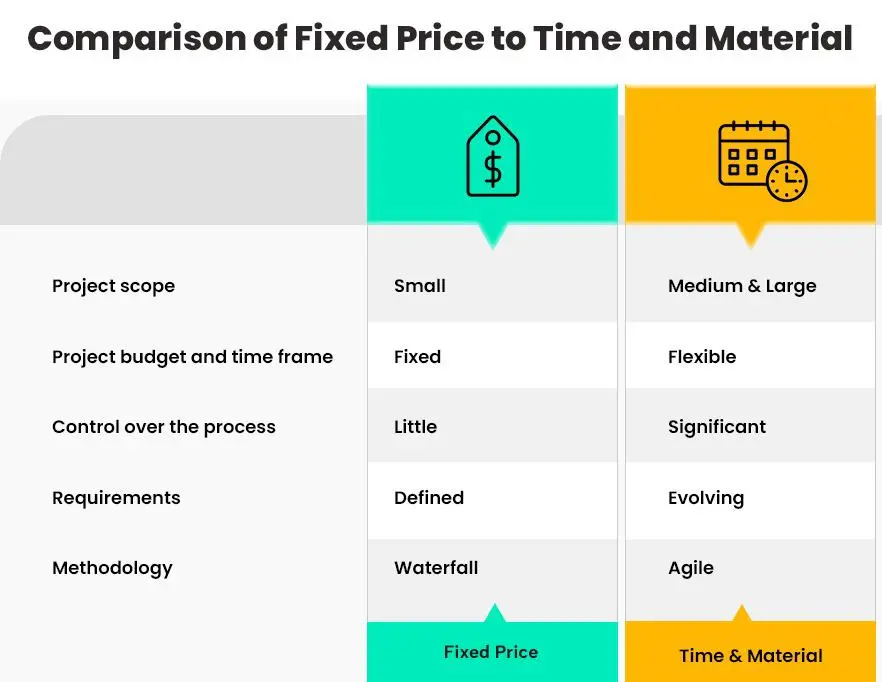
|
Factor |
Fixed Price |
Time & Materials |
|
Budget |
Predictable |
Flexible |
|
Scope |
Fixed |
Evolving |
|
Flexibility |
Low |
High |
|
Risk |
Vendor |
Shared |
|
Best For |
Small projects |
Complex products |
How Much Does Custom Software Development Cost?
- MVP: $5,000 – $25,000
- Mid-level: $25,000 – $100,000
- Enterprise: $100,000+
The cost of custom software development depends on complexity, team, and tech stack.
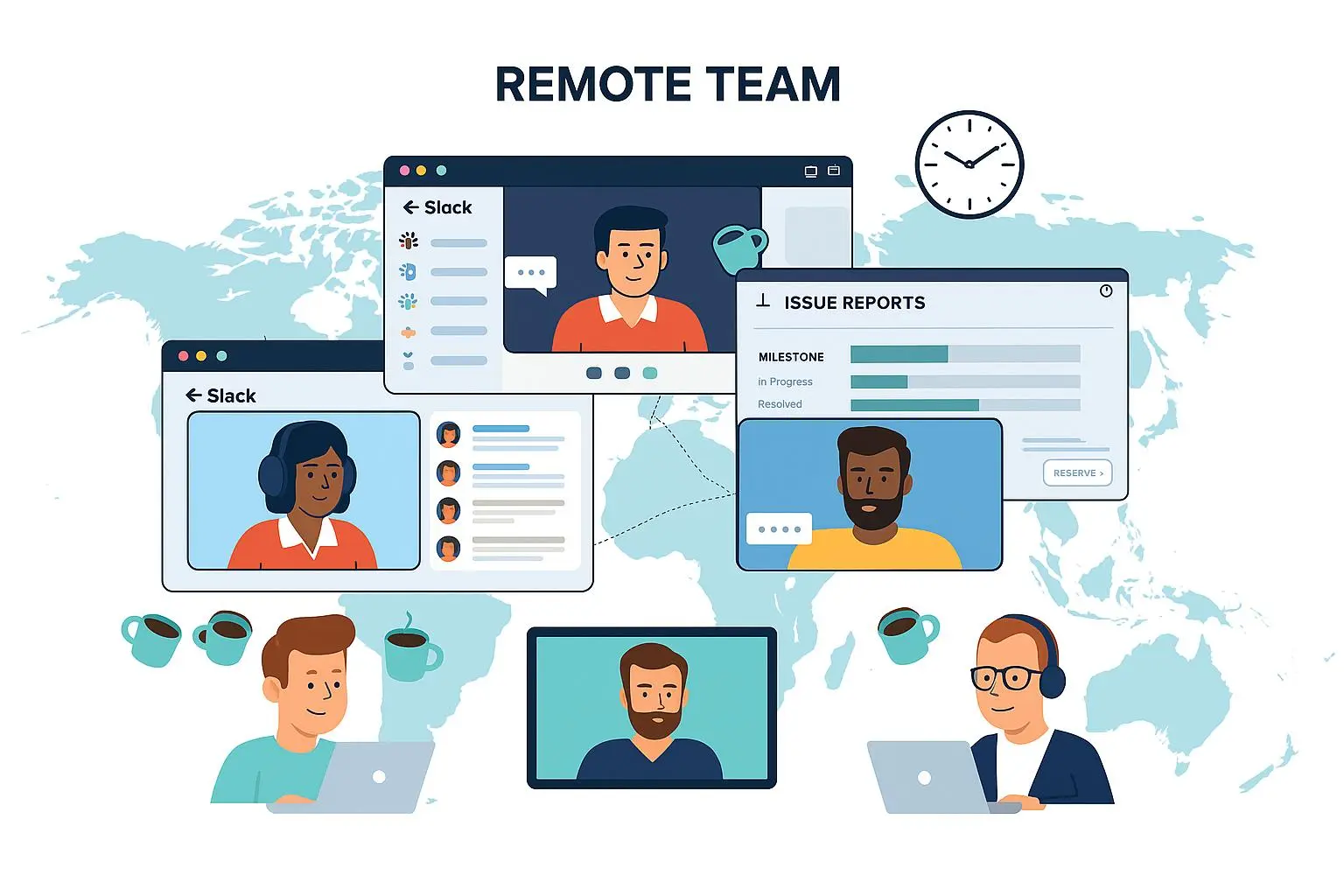
Cost of Offshore Software Development
Hourly Comparison:
- US/UK: $80–$150/hour
- Offshore: $20–$50/hour
Benefits
- Lower cost
- Global talent
Risks
- Communication gaps
- Time zones
Build vs Buy: Costs, Benefits, and Risks
Build (Custom Software)
Pros: scalable, flexible
Cons: higher upfront cost
Buy (Ready Software)
Pros: faster, cheaper initially
Cons: limited customization
If you’re automating internal operations, this guide on business process automation tools, services, and case studies can help you decide whether to build or buy.
Capitalizing Software Development Costs
Instead of treating development as an expense, you can classify it as an asset.
Benefits of Capitalizing Software Development Costs
- Better financial reporting
- Improved ROI visibility
- Potential tax advantages
How to Choose the Right Pricing Model
Choose Fixed Price if:
- Scope is clear
- Budget is fixed
Choose Time & Materials if:
- Requirements may change
- You want flexibility
Expert Tips to Reduce Software Development Costs
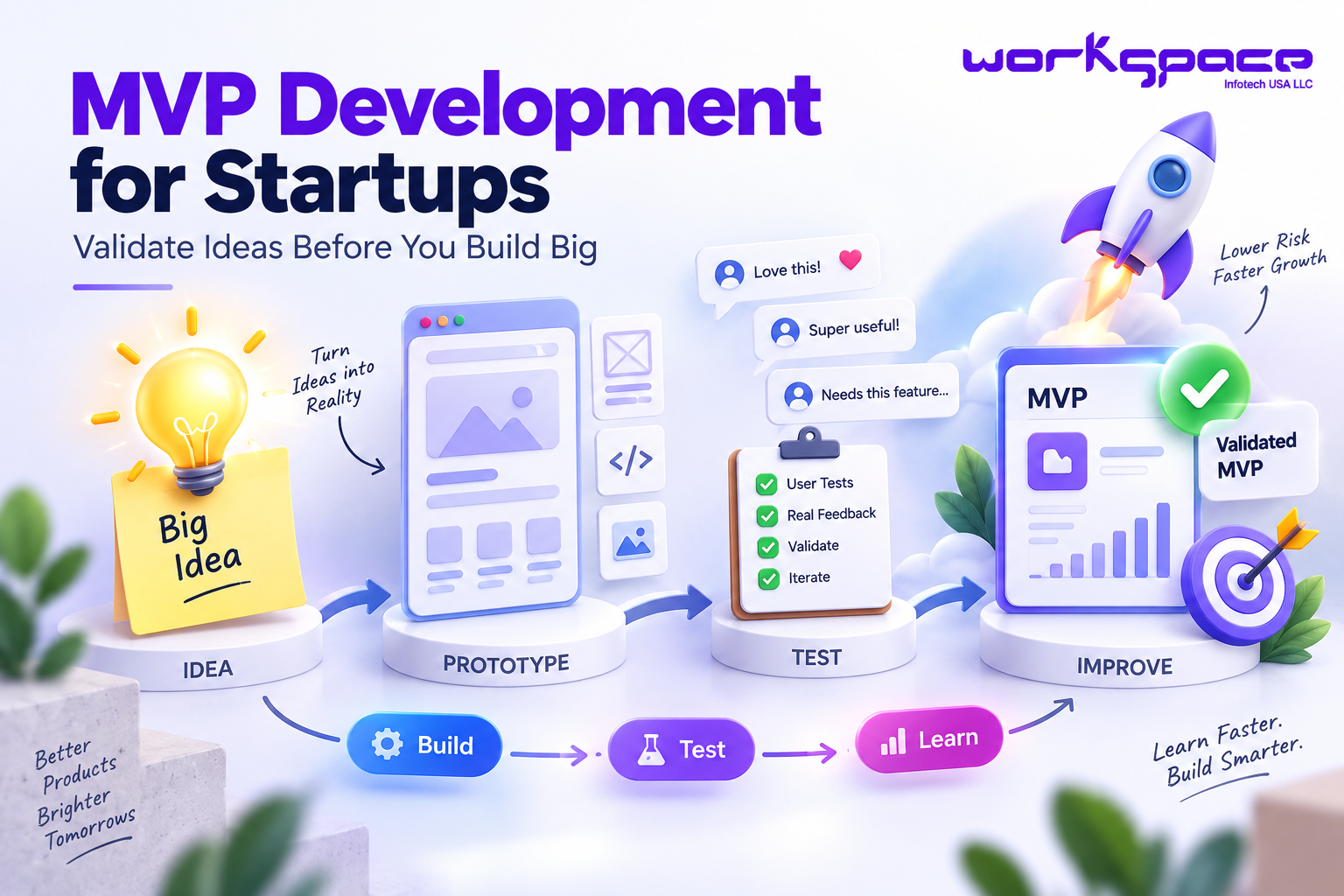
- Start with an MVP
- Use agile methods
- Avoid over-engineering
- Choose experienced teams
Common Mistakes That Increase Software Development Costs
Even with the right pricing model, many projects go over budget. Why? Because of avoidable mistakes.
1. Unclear Requirements
Skipping proper documentation is one of the biggest cost drivers. Without clarity, developers make assumptions—and assumptions lead to rework.
If you haven’t already, creating a solid requirement document is critical. This guide on how to write an effective Software Requirements Specification (SRS) can save you thousands in unnecessary revisions.
2. Choosing the Wrong Pricing Model
Using a fixed price model for a dynamic project is like locking yourself into a rigid plan while your business keeps evolving.
Result: constant change requests → rising costs
3. Ignoring Scalability Early
Many businesses try to “save money” by building only for current needs. But when your system grows, rebuilding becomes more expensive than building it right the first time.
4. Poor Communication with the Development Team
Misalignment between stakeholders and developers leads to:
- Delays
- Rework
- Misinterpreted features
Clear communication = controlled costs.
Real-World Example: Fixed Price vs Time & Materials
Let’s make this practical.
Scenario 1: Fixed Price Project
A company builds a simple booking website with clearly defined features.
- Timeline: 2 months
- Budget: $15,000
- Changes: Minimal
Result: Fixed price works perfectly.
Scenario 2: Time & Materials Project
A startup is building a SaaS platform with evolving features.
- Timeline: 6+ months
- Features: Frequently updated
- Market feedback: Continuous
Result: Time & materials provides flexibility and better product-market fit.
The Hidden Cost of Integrations
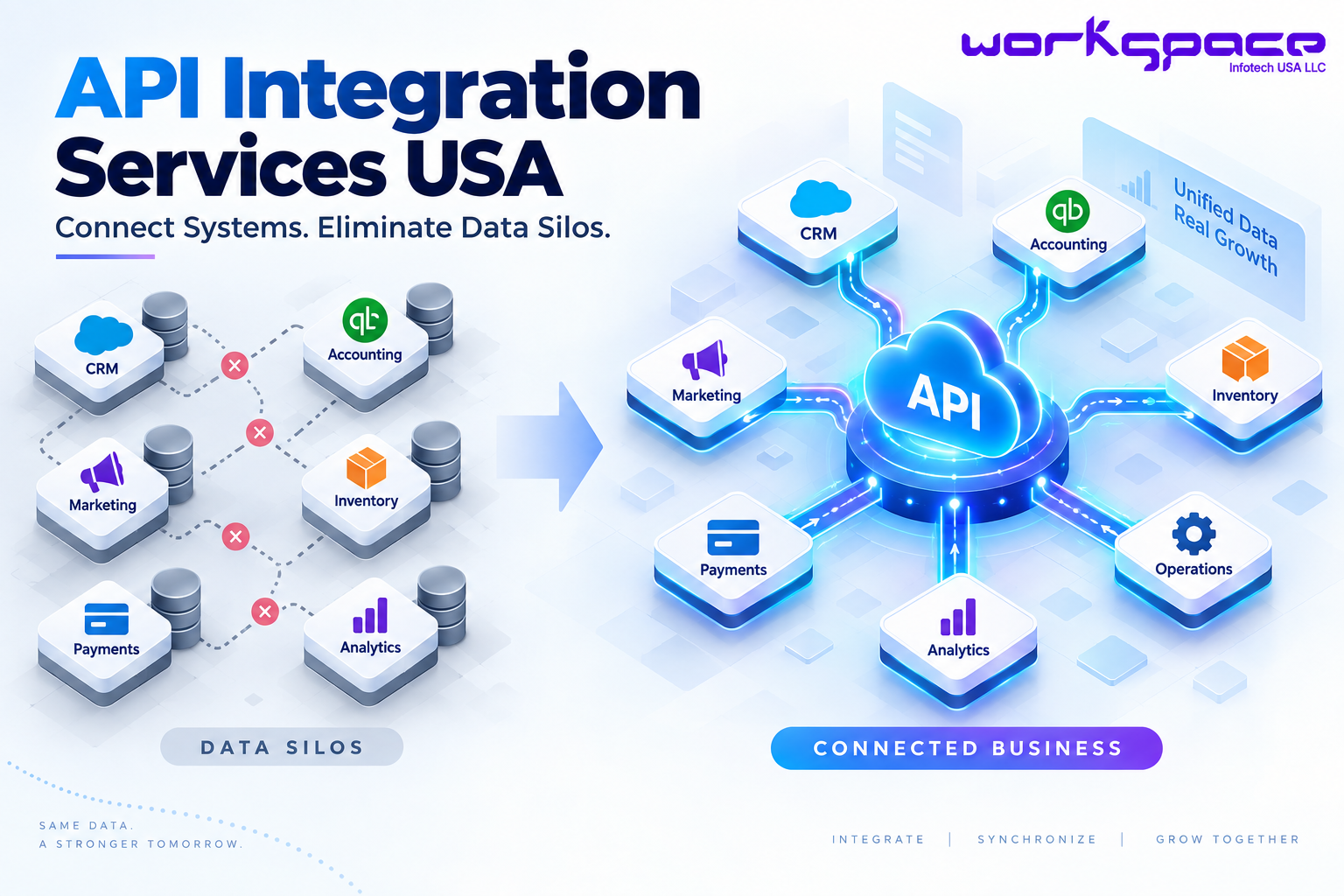
Modern software rarely works in isolation. Most systems rely on APIs for payments, CRMs, analytics, or third-party tools.
That’s where many businesses underestimate cost.
If your product depends on integrations, investing in reliable API integration services is essential to avoid:
- Data inconsistencies
- System failures
- Security risks
Cheap integrations often become expensive problems later.

How Business Process Automation Impacts Cost
Another smart way to reduce long-term costs is automation.
Instead of manually handling repetitive tasks, businesses are increasingly investing in automation tools and custom workflows.
If you’re exploring this area, this resource on business process automation tools, services, and case studies gives a deeper look into real-world use cases.
Why Automation Matters
- Reduces operational costs
- Improves efficiency
- Minimizes human error
- Scales easily
In many cases, automation offsets initial development costs within months.
Long-Term Cost vs Short-Term Cost (What Most People Miss)
Here’s a reality check:
The cheapest solution upfront is rarely the cheapest long-term.
Short-Term Thinking
- Choose cheapest developer
- Skip planning
- Rush development
Long-Term Impact
- Poor performance
- Frequent bugs
- Expensive fixes
Smart Investment Approach
- Focus on quality development
- Build scalable architecture
- Use experienced teams
If you’re planning a serious product, working with a reliable partner like Workspace InfoTech USA LLC’s custom software development services ensures your investment actually pays off.
How to Estimate Software Development Costs Accurately
Let’s simplify software development cost estimation into a practical approach:
Step 1: Define Core Features
List must-have features (not “nice-to-have”).
Step 2: Choose the Right Model
- Fixed price → stable projects
- Time & materials → evolving products
Step 3: Break Down the Scope
Divide into modules:
- Authentication
- Dashboard
- Payment system
- Admin panel
Step 4: Get Expert Consultation
A good development team will:
- Identify risks
- Suggest improvements
- Provide realistic timelines
Future Trends Affecting Software Development Costs
Software costs are evolving. Here’s what’s shaping the future:
1. AI & Automation
AI tools are speeding up development—but skilled implementation still matters.
2. Low-Code / No-Code Platforms
Cheaper for simple apps, but limited for complex systems.
3. Cloud-Based Infrastructure
Reduces upfront cost but adds ongoing operational expenses.
4. Global Remote Teams
Offshore development continues to reduce overall costs while maintaining quality.
Final Thoughts: Cost Isn’t Just a Number—It’s a Strategy
Understanding software development costs isn’t just about budgeting—it’s about making smarter business decisions.
- Fixed price gives you control
- Time & materials gives you flexibility
- Offshore development gives you cost efficiency
- Automation gives you long-term savings
The real goal isn’t to spend less—it’s to spend smart.
Conclusion: Make Smarter Cost Decisions
There’s no one-size-fits-all answer.
- Fixed price = predictability
- Time & materials = flexibility
The smart move? Match the model to your project—not the other way around.