
- Safayet
- 1 Comment
- 902 Views
Software Development Methodologies Explained: Agile, Waterfall, and Cross-Functional Models
Software development is not only about writing code. A successful project needs planning, communication, testing, delivery, and continuous improvement. This is where a software development methodology becomes important.
A software development methodology is a structured process that guides how a software project moves from idea to launch. For businesses planning a new digital product, choosing the right methodology is also closely connected with the overall custom software development process. It helps teams decide how requirements will be collected, how design and development will happen, how testing will be managed, and how the final product will be delivered.
In 2025, businesses use different methodologies depending on project type, budget, timeline, and flexibility. Some projects need a strict plan, while others need fast changes and continuous feedback. That is why Agile, Waterfall, Lean, DevOps, and cross-functional models are still highly relevant.
What Is Software Development Methodology?
A software development methodology is a defined approach for building software. It gives the team a clear path to follow during the software development life cycle, also known as SDLC.
A methodology usually covers:
Requirement gathering
Planning
UI/UX design
Development
Testing
Deployment
Maintenance
Without a methodology, a software project can become confusing very quickly. Developers may not know the priority. Clients may not know what to expect. QA teams may get involved too late. In simple words, no methodology means “everyone is driving, but nobody knows the destination.” Not ideal unless your project goal is chaos.
Why Software Development Methodologies Matter in 2025
Modern software projects are more complex than before. Businesses now need cloud platforms, AI integrations, mobile apps, cybersecurity, APIs, automation, analytics, and scalable architecture. Because of this, the latest software development methodologies 2025 focus more on collaboration, speed, flexibility, and quality.
Agile remains one of the most popular approaches because it values people, working software, customer collaboration, and responding to change. These values come directly from the Agile Manifesto, which emphasizes individuals and interactions, working software, customer collaboration, and flexibility over rigid processes. (agilemanifesto.org)
At the same time, DevOps and AI-assisted development are becoming more important. Google Cloud’s DORA program describes itself as a long-running research program focused on the capabilities that improve software delivery and operations performance. Its 2025 report also focuses on how AI is affecting software development teams. (dora.dev)
Waterfall Software Development Methodology
Waterfall is one of the oldest and most traditional software development methodologies. It follows a linear process where one phase is completed before the next one begins.
Common Waterfall Phases
The Waterfall model usually follows this flow:
Requirement analysis
System design
Development
Testing
Deployment
Maintenance
This model works well when the project requirements are clear from the beginning. For example, if a client already has a detailed Software Requirements Specification, fixed features, and a fixed approval process, Waterfall can be a good fit.
Benefits of Waterfall
Waterfall is easy to understand. It provides strong documentation, clear timelines, and structured approval stages. This makes it useful for government, enterprise, banking, healthcare, and compliance-heavy projects.
Limitations of Waterfall
The biggest problem with Waterfall is flexibility. If the client changes requirements after development starts, the project can become expensive and slow. Testing also happens later in the process, which means major issues may be discovered after a lot of work has already been completed.
Agile Methodology in Software Development Life Cycle
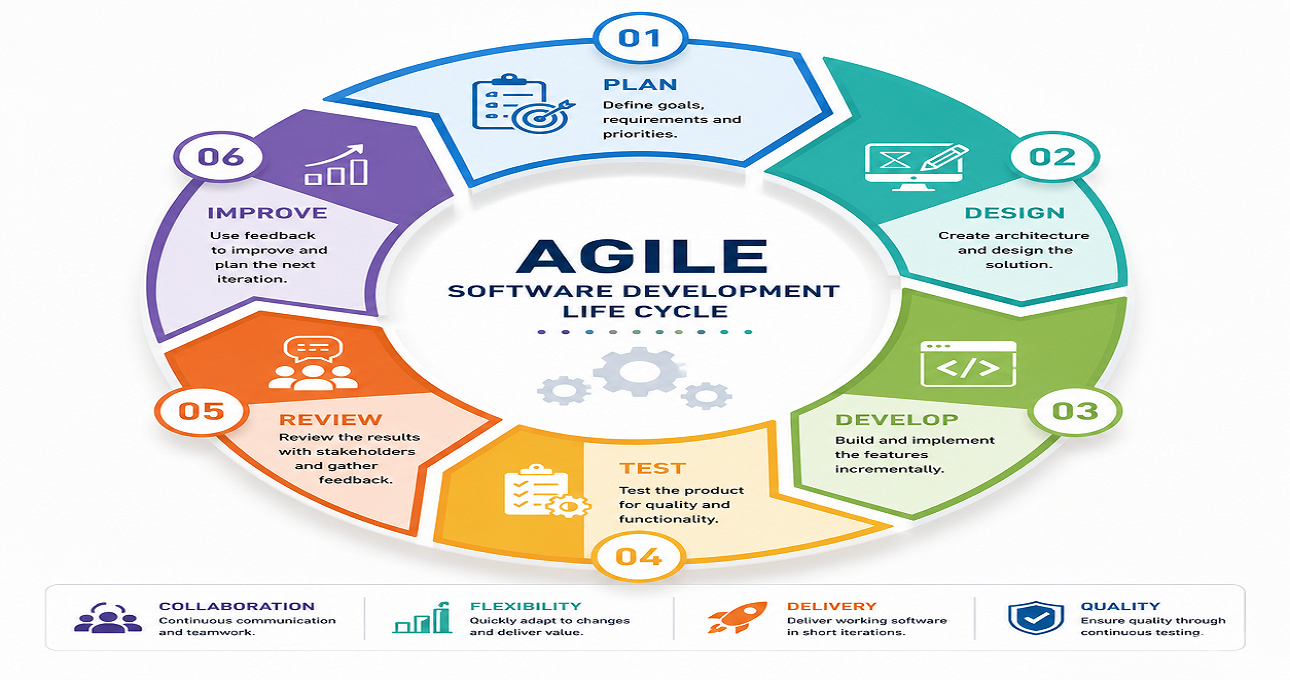
Agile is a flexible and iterative approach to software development. Instead of building the full product at once, Agile teams work in small cycles called sprints or iterations.
The agile methodology in software development life cycle focuses on regular feedback, continuous delivery, and improvement. The Agile Manifesto was created in 2001 by 17 software practitioners and introduced values that still guide modern Agile teams today. (agilealliance.org)
How Agile SDLC Works
A typical Agile software development life cycle includes:
Product idea
Requirement prioritization
Sprint planning
Design and development
Testing
Review
Feedback
Improvement
This cycle repeats until the product reaches the desired stage.
Benefits of Agile
Agile is useful when requirements may change during the project. It allows businesses to test features early, collect feedback, and improve the product step by step.
Agile also improves communication because clients, project managers, developers, designers, and QA teams stay involved throughout the process.
Challenges of Agile
Agile does not mean “no plan.” This is a common mistake. Agile still needs proper planning, documentation, sprint goals, and accountability. If the client is not involved or the team is not disciplined, Agile can become messy.
Agile vs Traditional Software Development Methodologies Comparison
Here is a simple agile vs traditional software development methodologies comparison:
Area | Agile | Waterfall |
Process | Iterative | Linear |
Flexibility | High | Low |
Client Feedback | Continuous | Mostly after major phases |
Documentation | Moderate and practical | Detailed and upfront |
Testing | Throughout the project | Usually after development |
Best For | Evolving products | Fixed-scope projects |
Risk Handling | Early detection | Late detection |
Agile is usually better for SaaS platforms, mobile apps, MVPs, and products that need regular updates. Waterfall is better for fixed-scope projects where requirements are clear and changes are limited.
The best choice depends on your project, not on trend. Agile is not automatically better, and Waterfall is not automatically outdated. The right methodology is the one that reduces risk and helps the team deliver better software.
Lean Software Development Methodology
The lean software development methodology focuses on reducing waste and delivering value faster. It comes from Lean manufacturing principles and is now widely used in software projects. It also supports businesses that want to improve workflows through business process automation tools and services.
Lean encourages teams to avoid unnecessary features, long approval delays, repeated work, and unclear communication. The goal is simple: build what matters, remove what does not.
Key Principles of Lean
Lean software development usually focuses on:
Eliminating waste
Delivering fast
Building quality into the process
Learning continuously
Empowering the team
Optimizing the full workflow
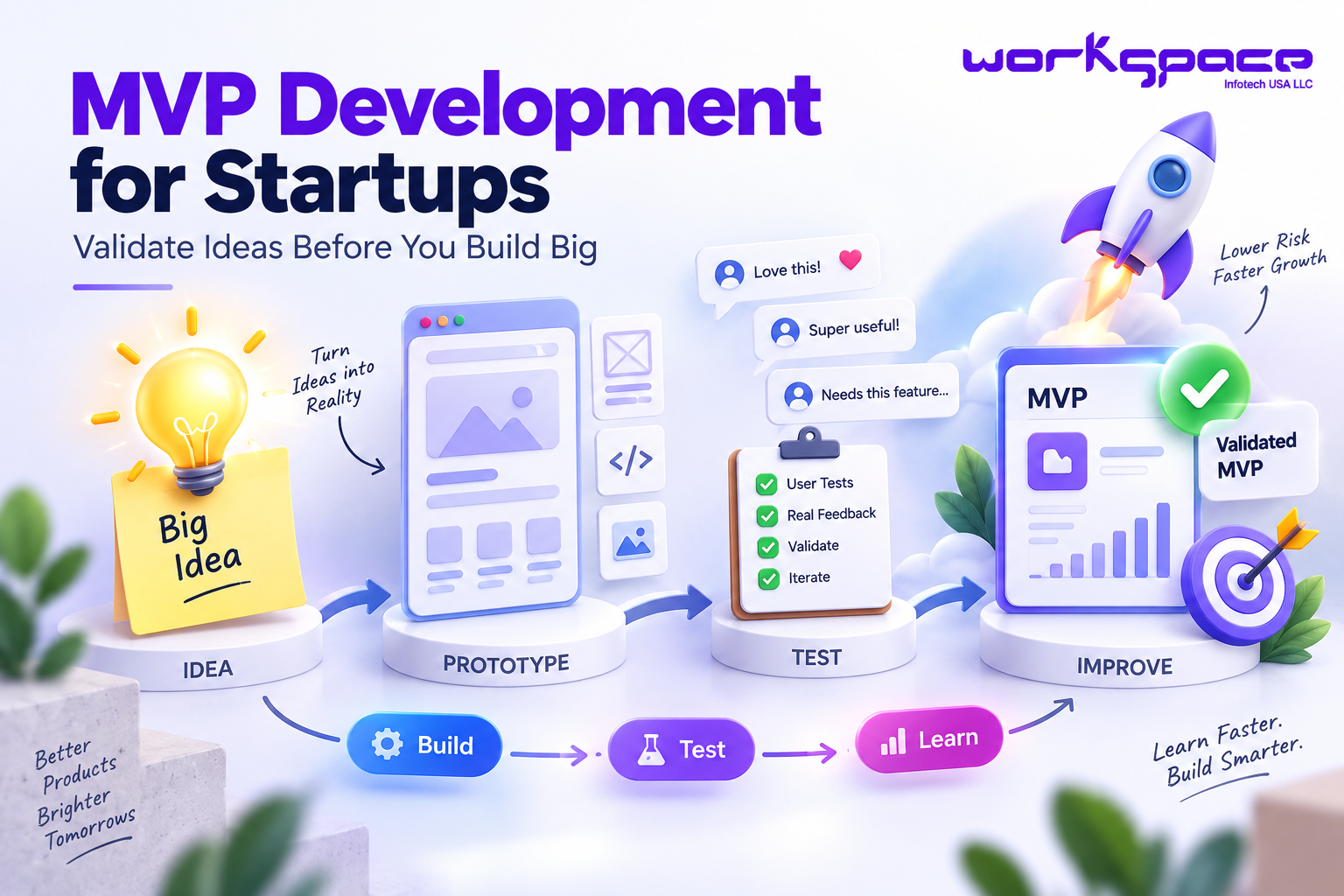
Lean is especially useful for MVP development, startup products, SaaS platforms, and businesses that want to validate an idea before investing heavily.
For example, instead of building 30 features at once, a Lean team may build the 5 most important features first, test them with users, and then decide what to build next.
Software Development Methodology Created in 1996
The keyword software development methodology created in 1996 is often connected with historical iterative development models such as Rational Unified Process, also known as RUP. RUP was developed by Rational Software and is known as an iterative software development process using structured phases and use cases. (ResearchGate)
RUP typically includes four major phases:
Inception
Elaboration
Construction
Transition
Although RUP is not as commonly discussed as Agile today, it influenced many modern development practices. It encouraged iterative delivery, requirement management, architecture focus, and risk control.
This matters because today’s methodologies did not appear from nowhere. Agile, Scrum, DevOps, and hybrid models all learned something from earlier structured approaches.
Cross-Functional Model Software Development Methodology
A model software development methodology does not always mean only a process like Agile or Waterfall. It can also refer to how the team is structured. One of the most effective modern team structures is the cross-functional model.
A cross-functional software team includes all key roles needed to deliver a product. This may include:
Product owner
Project manager
UI/UX designer
Frontend developer
Backend developer
QA engineer
DevOps engineer
Business analyst
Instead of working in separate departments, these people collaborate as one product team.
Why Cross-Functional Teams Work
Cross-functional teams reduce dependency. Designers, developers, QA engineers, and business stakeholders can solve problems faster because they are working together.
For example, if a feature has a design issue, the designer can fix it early. If an API issue appears, backend and frontend developers can solve it quickly. If QA finds a bug, the team can address it before release.
This model works very well with Agile, Scrum, Lean, and DevOps because all of them need communication and fast feedback.
Latest Software Development Methodologies in 2025
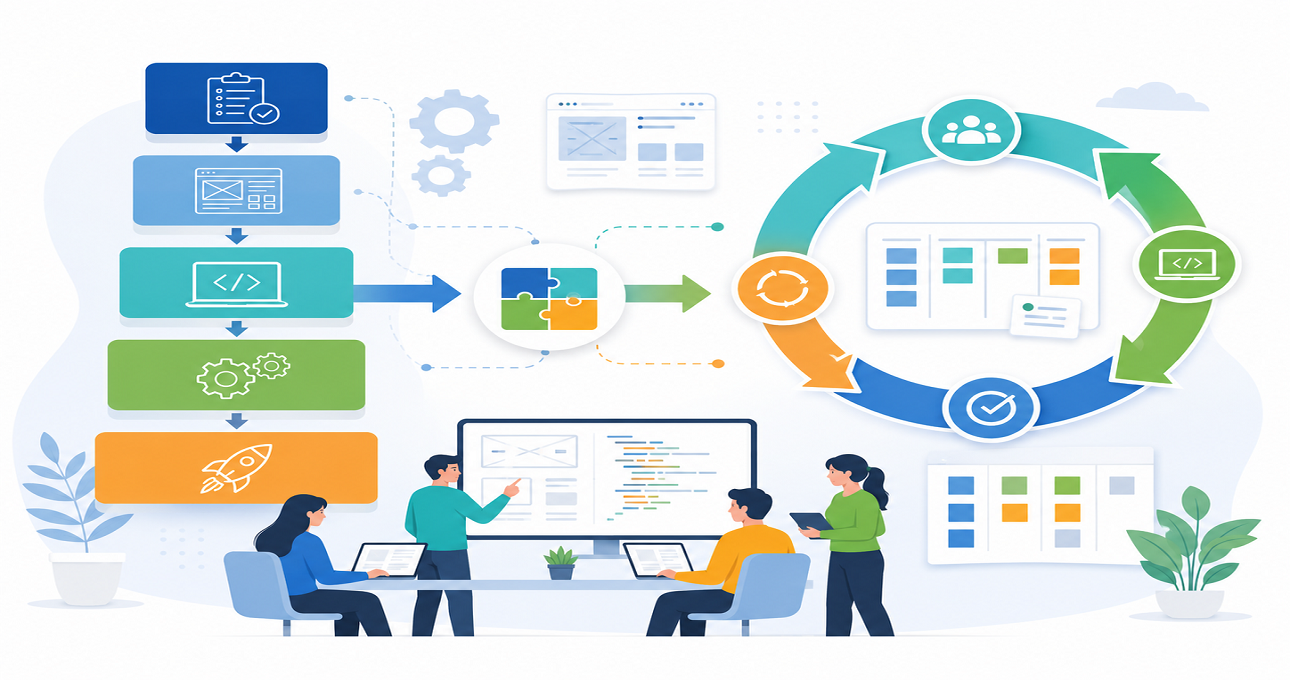
The latest software development methodologies 2025 are mostly hybrid. Companies no longer follow only one strict model. They combine methods based on project needs.
Agile + DevOps
Agile helps teams build in iterations. DevOps helps teams release faster and more safely through automation, CI/CD, monitoring, and collaboration between development and operations.
Agile + AI-Assisted Development
AI tools are now used for code suggestions, documentation, testing support, debugging, and automation. However, AI does not replace software engineers. Human review is still needed for logic, security, scalability, and business decisions.
Hybrid Agile-Waterfall
Some companies use Waterfall for planning and compliance, then Agile for development. This is useful for enterprise projects where the client needs documentation but also wants flexibility during development.
Product-Led Development
Product-led teams use analytics, user feedback, and business goals to decide what to build next. This approach is common in SaaS products and digital platforms.
How to Choose the Right Software Development Methodology
Choose Agile if your project needs flexibility, frequent releases, and regular feedback.
Choose Waterfall if your scope is fixed, documentation is important, and the approval process is strict.
Choose Lean if you want to build an MVP, reduce waste, and validate ideas quickly.
Choose a cross-functional model if your project needs close collaboration between design, development, QA, and business teams.
In many real projects, the best solution is a hybrid model. For example, a company may start with Waterfall-style discovery, use Agile for development, apply Lean for MVP decisions, and use DevOps for deployment.
Final Thoughts
There is no single best software development methodology for every project. Agile is flexible. Waterfall is structured. Lean is efficient. Cross-functional models improve teamwork. DevOps supports faster and safer delivery.
The right choice depends on your business goal, project scope, budget, timeline, and team structure.
If your requirements are fixed, Waterfall may work well. If your product needs continuous improvement, Agile is a better fit. If you are building an MVP, Lean can save time and money. If your project has multiple moving parts, a cross-functional model can improve delivery quality.
The smartest teams in 2025 do not blindly follow one methodology. They choose the right mix and adapt it to the project.
Whether you are building a SaaS platform, mobile app, ERP system, or internal business tool, the methodology should match your product goals. You can explore more about Workspace InfoTech USA’s software development services to understand how structured development support works for different business needs.



zimerov ertover
Very nice info and straight to the point. I am not sure if this is truly the best place to ask but do you guys have any thoughts on where to employ some professional writers? Thx 🙂