- Sanzida Afrin
- 0 Comments
- 300 Views
Custom software development cost USA is one of the first questions businesses ask when they decide to build a software solution tailored to their operations.
Every growing company eventually reaches a point where existing software tools are no longer enough.
A business may need a customized CRM, internal management platform, customer portal, AI-powered application, automation system, or enterprise solution designed around its unique workflow.
Unlike ready-made software with fixed subscription pricing, custom software is developed according to specific business requirements.
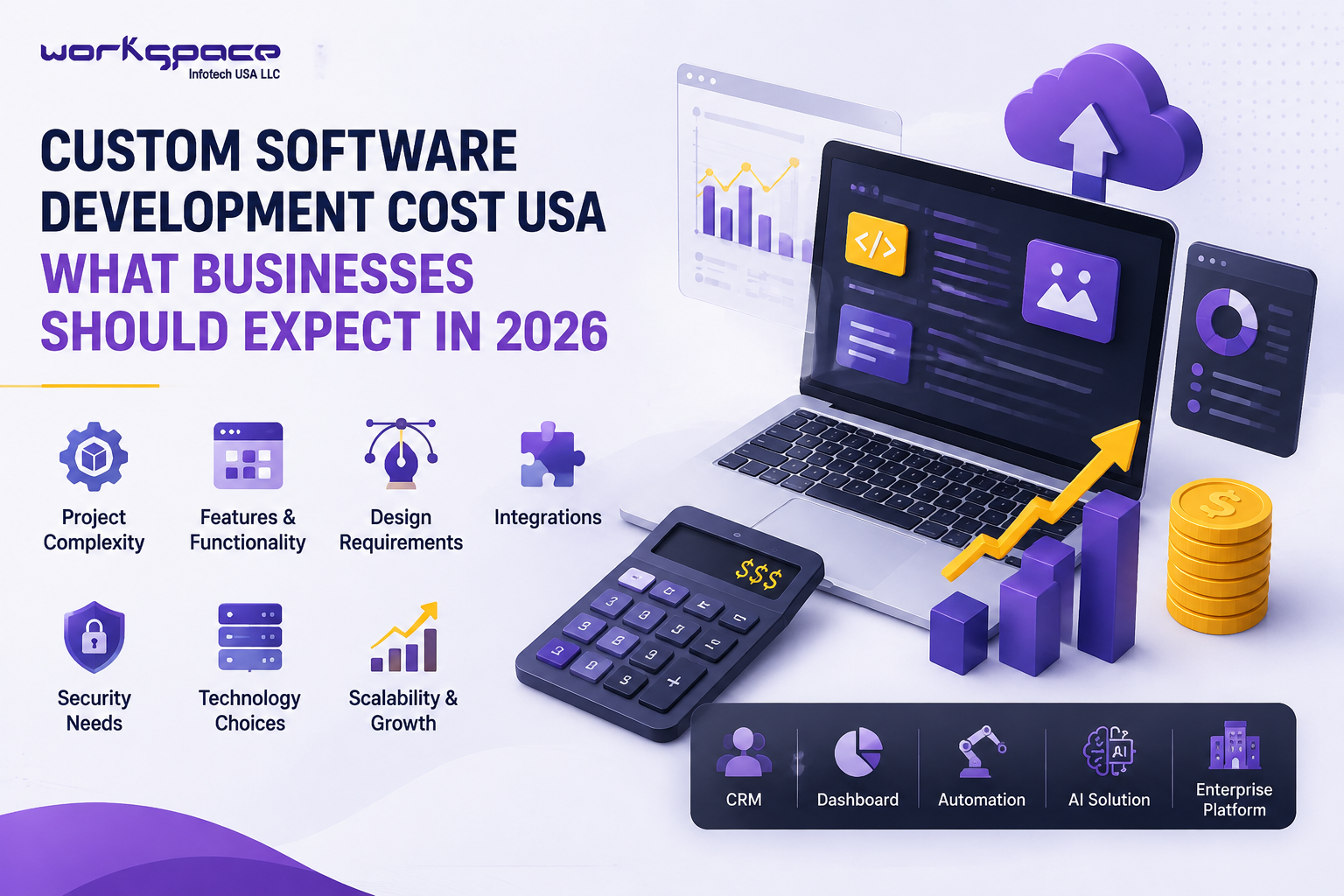
The final investment depends on multiple factors, including project complexity, features, design requirements, integrations, security needs, technology choices, and future scalability.
Understanding these factors helps businesses create realistic budgets and make better technology decisions.
Why Custom Software Costs Differ Between Businesses
There is no fixed price for custom software because every business has different requirements.
A small internal dashboard and a complete enterprise platform may both be called “software,” but the development process behind them can be completely different.
For example:
A basic employee management tool may require simple user access and reporting features.
A large business platform may require:
- multiple user roles;
- third-party integrations;
- advanced security;
- AI capabilities;
- mobile applications;
- cloud infrastructure;
- continuous maintenance.
The difference is not only the number of features.
The biggest factor is how deeply the software connects with business operations.
A successful custom solution should not only solve today’s challenges but also support future growth.
Understanding Custom Software Development Cost USA
When businesses evaluate custom software development cost USA, they should look beyond the initial development price.
The total investment usually includes several stages:
- Business analysis and requirement gathering
- UI/UX design
- Software development
- Testing and quality assurance
- Deployment
- Maintenance and improvements
Each stage contributes to creating a reliable solution.
Skipping important planning or testing stages may reduce initial costs, but it can create larger expenses later through bugs, security issues, or poor scalability.
Estimated Custom Software Development Cost in the USA
| Software Type | Estimated Cost Range | Common Examples |
|---|---|---|
| Simple Business Software | $20,000 – $60,000+ | Internal tools, dashboards, workflow systems |
| Medium Complexity Software | $60,000 – $150,000+ | CRM platforms, customer portals, business automation systems |
| Complex Enterprise Solutions | $150,000 – $500,000+ | Large business platforms, SaaS products, multi-system applications |
| Advanced AI Software Solutions | $250,000+ | AI platforms, analytics systems, intelligent automation |
These numbers are general estimates.
The actual custom software development cost USA depends on the business objectives, technical requirements, and level of customization required.
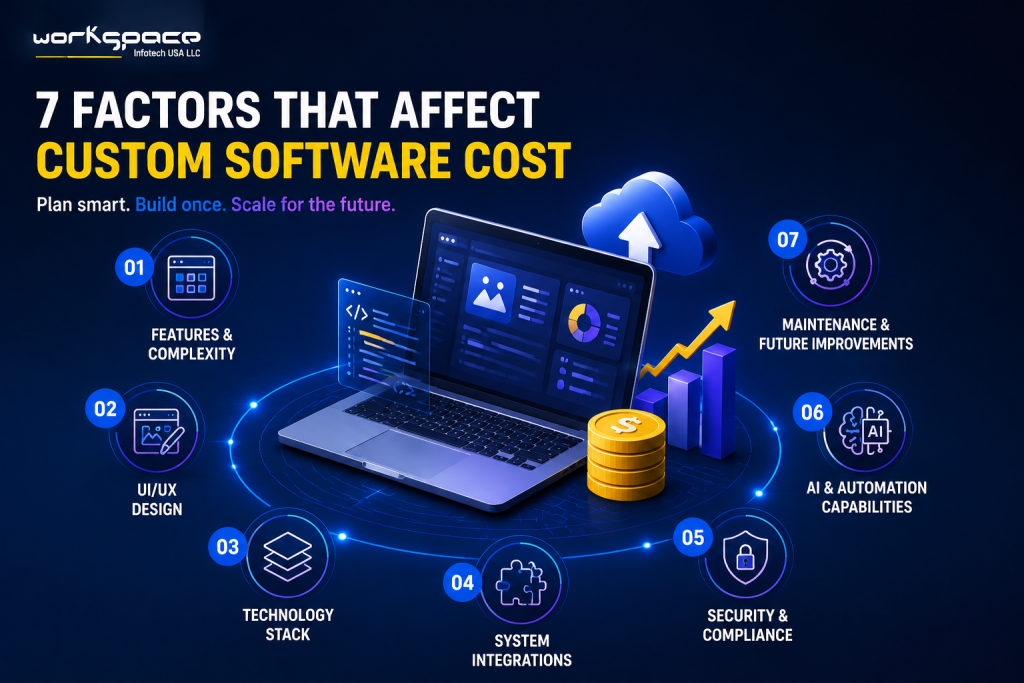
7 Essential Factors That Affect Custom Software Development Cost USA
1. Software Complexity and Required Features
The complexity of the software is one of the biggest cost factors.
A simple application with limited users requires less development effort than a platform supporting thousands of users, complex workflows, and multiple departments.
Before development begins, businesses should clearly define:
- What problem the software solves
- Who will use it
- What processes should be automated
- What future features may be required
Clear planning helps avoid unnecessary changes during development.
2. UI/UX Design and User Experience
Software success depends heavily on how users interact with it.
A poorly designed system can reduce adoption even if the technology behind it is powerful.
Professional software projects often include:
- user research;
- wireframes;
- prototypes;
- responsive design;
- usability testing.
Investing in user experience improves productivity for internal users and creates better experiences for customers.
3. Technology Stack and Architecture
The technology used to build software affects both development cost and future maintenance.
Different businesses may require different solutions:
- Web applications
- Mobile applications
- SaaS platforms
- Cloud-based systems
- AI-powered applications
- Enterprise software
A good development approach focuses on long-term reliability, security, and scalability rather than choosing only the cheapest option.
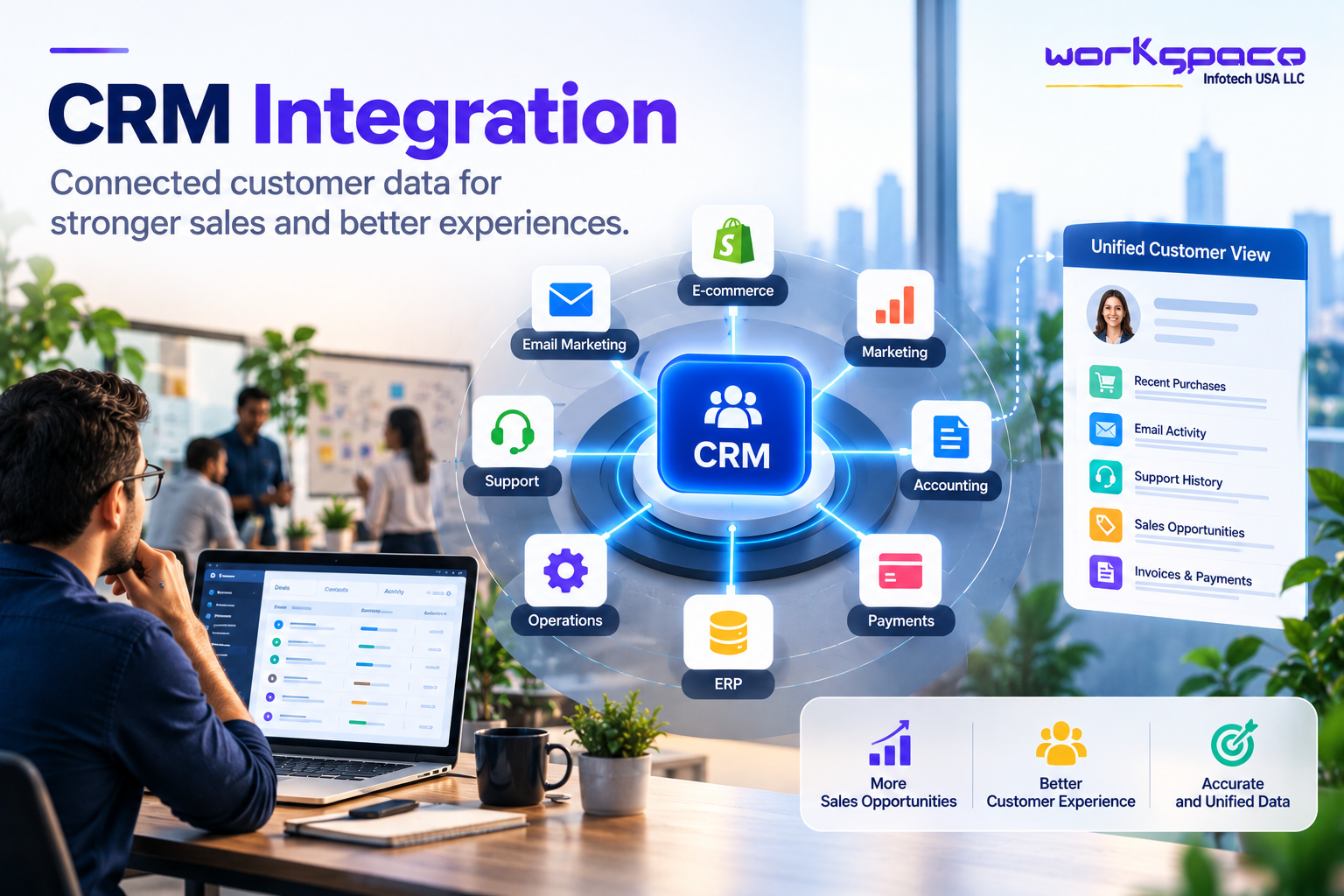
4. Integrations With Existing Business Systems
Modern businesses rarely operate with a single platform.
Companies often depend on:
- CRM systems;
- ERP software;
- payment platforms;
- accounting systems;
- inventory management tools;
- analytics solutions.
Connecting these systems requires additional planning and development.
However, integrations often create significant value by reducing manual work and improving data flow between departments.
5. Security and Compliance Requirements
Security is a critical part of modern software development.
Businesses handling sensitive information may require additional protection, including:
- secure authentication;
- role-based permissions;
- encryption;
- security testing;
- monitoring systems.
Industries such as healthcare, finance, and enterprise services often require stronger security planning from the beginning.
A secure application protects both the business and its customers.
6. AI and Automation Capabilities
AI is becoming an important part of modern business software.
Companies are exploring AI features such as:
- intelligent assistants;
- automated workflows;
- predictive analytics;
- document processing;
- smart reporting.
However, AI implementation requires proper planning.
The cost depends on data requirements, system complexity, integration needs, and business objectives.
The goal should not be adding AI because it is popular.
The goal should be solving a real business challenge.
7. Maintenance and Future Improvements
Software development does not end after launch.
Successful applications require continuous improvement.
Businesses should consider:
- security updates;
- performance optimization;
- new feature development;
- technical support;
- infrastructure management.
Long-term maintenance is an important part of the overall investment.
Custom Software vs Ready-Made Software: Which One Makes More Sense?
Many businesses compare custom solutions with existing SaaS platforms before making a decision.
| Ready-Made Software | Custom Software |
|---|---|
| Faster implementation | Designed around business requirements |
| Lower initial cost | Higher initial investment |
| Limited customization | Complete flexibility |
| Vendor controls updates and roadmap | Business controls future improvements |
| Suitable for common workflows | Better for unique processes |
The right choice depends on whether a business needs a tool or a long-term technology foundation.
For standard operations, ready-made software may be enough.
For unique workflows, automation requirements, or competitive advantages, custom software may provide greater value.
How Businesses Can Control Software Development Costs
Reducing software cost does not mean removing important features.
A smarter approach is better planning.
Businesses can manage investment by:
- defining clear requirements;
- starting with a minimum viable product (MVP);
- prioritizing essential features;
- choosing scalable architecture;
- avoiding unnecessary complexity;
- planning future improvements.
A properly planned first version can create value while allowing gradual expansion.
Choosing the Right Software Development Partner
When comparing custom software development cost USA, businesses should not focus only on the lowest quotation.
The right development partner should understand:
- business objectives;
- technical requirements;
- user expectations;
- scalability needs;
- long-term goals.
A strong partner helps businesses choose the right technology approach instead of simply building software.
Before hiring a development company, businesses should review:
- previous experience;
- technical expertise;
- communication process;
- quality assurance practices;
- post-launch support.
How Workspace Infotech USA Can Help
Workspace Infotech USA helps businesses build scalable digital solutions designed around their specific requirements.
Our services include:
- custom software development;
- SaaS platform development;
- AI-powered applications;
- CRM and ERP integrations;
- business automation solutions;
- web and mobile applications;
- enterprise software solutions.
Whether a company needs a new digital platform or wants to improve existing operations, the focus should always be creating technology that delivers measurable business value.
Workspace Infotech USA works with businesses to transform ideas into secure, scalable, and practical software solutions.
Final Thoughts
The custom software development cost USA depends on much more than features and technology.
The real investment depends on the complexity of the problem, the quality of development, and the long-term value the software creates.
For some businesses, existing software may be enough.
For others, a custom solution can improve efficiency, automate operations, create better customer experiences, and provide a competitive advantage.
The right question is not:
“How much does software cost?”
The better question is:
“What value can the right software create for our business?”
Frequently Asked Questions
How much does custom software development cost in the USA?
The cost varies depending on complexity, features, integrations, security requirements, and development approach. Projects can range from tens of thousands to several hundred thousand dollars.
Why is custom software more expensive than ready-made software?
Custom software is built specifically around business requirements, workflows, and future goals, which requires more planning, development, and testing.
How long does custom software development take?
The timeline depends on project scope, features, design requirements, integrations, and testing needs.
Is custom software worth the investment?
For businesses with unique processes, automation needs, or scalability requirements, custom software can provide significant long-term value.
Should businesses outsource software development?
Outsourcing can provide access to experienced developers, reduce hiring challenges, and allow businesses to build solutions without creating a full internal development team.